
Keyway broaching advantages are something I wish more production managers knew about before they locked themselves into slower machining methods. I’ve seen shops struggling with milling keyways on high-volume runs, watching cycle times eat into their output, dealing with inconsistent parts, and burning through tooling faster than their budget could handle. The moment they switched to broaching, the difference was obvious. At Keyway Spline Broaching, we work with high-volume production jobs regularly and we’ve seen firsthand what happens when the right method gets matched to the right application.
What Is Keyway Broaching?
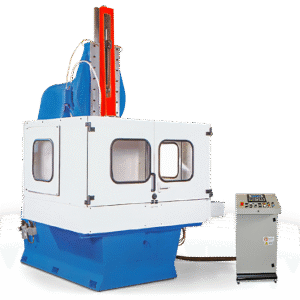
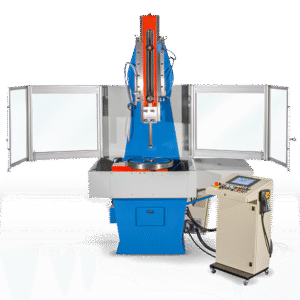
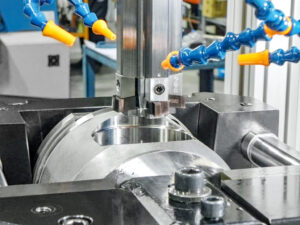
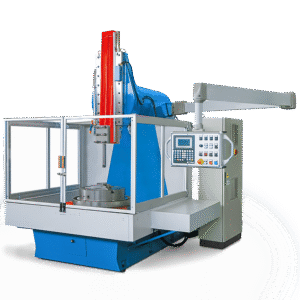
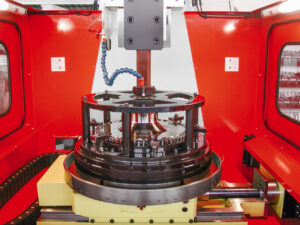
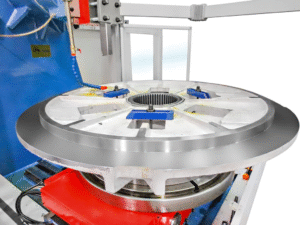
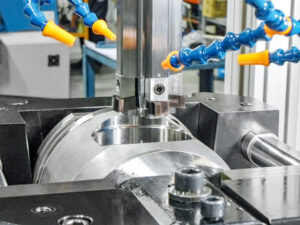
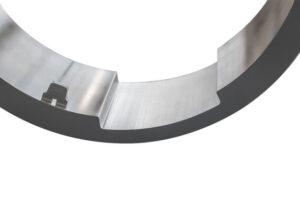
Keyway broaching is a machining process where a tool called a broach gets pushed or pulled through a workpiece. The broach has multiple teeth along its length. Each tooth cuts a little deeper than the one before it. By the time the tool finishes its pass, the keyway is completely cut to the right size and shape.
The whole cut happens in one single stroke. That’s it. No coming back for a second pass. No repositioning the part. One stroke and the keyway is done. That’s the core of why it works so well for production.
High-Volume Production Has Different Rules
Running ten parts gives you room to breathe. You can take your time between setups, adjust things as you go, and a slower cycle time doesn’t hurt you much overall.
Running ten thousand parts is a completely different situation. Every extra second per cycle turns into hours of lost production by the end of a shift. Inconsistent parts create scrap and rework that nobody budgeted for. Tooling that wears out quickly causes unplanned downtime right in the middle of a run. High-volume production needs a process that is fast, consistent, and reliable without needing constant attention from the operator. That’s exactly where broaching fits.
Keyway Broaching Advantages That Actually Show Up in Production
These aren’t theoretical benefits. These are the things that actually change how a production floor runs.
The Cycle Time Is Genuinely Fast
Broaching cuts a keyway in seconds. One stroke and the part is done. Milling takes multiple passes to reach final depth and each of those passes takes time. When you multiply the time difference across a full production run, the gap in output between the two methods becomes very significant.
Faster cycle time means more parts per shift. More parts per shift means lower cost per piece. That math works in your favor every single day the job runs.
The Parts Stay Consistent From Start to Finish
This is one of the keyway broaching advantages that production managers tend to appreciate most once they experience it. The broach tool is the shape of the finished keyway. Every part that goes through gets the same cut because the tool geometry stays the same from the first stroke to the ten-thousandth stroke.
Milling involves multiple passes, feed rates, and repositioning. Small variations creep in over a long run. In high-volume production those small variations become big quality problems in final assembly.
Tooling Lasts a Long Time
The cutting load in broaching gets spread across every tooth on the tool. No single point takes all the wear. A well-maintained broach handles thousands of parts before it needs resharpening.
Compare that to a milling cutter where wear concentrates at the cutting edges and tool life is much shorter. For high-volume work, longer tooling life means fewer interruptions, less downtime, and a maintenance schedule you can actually plan around.
Tolerances Hold Tight Across the Whole Run
A keyway that’s even slightly off causes real problems in the assembled component. Loose fits, vibration, premature wear on mating parts. Broaching holds tight tolerances consistently because the tool itself defines the final geometry. There’s no accumulation of small errors building up across multiple passes.
At Keyway Spline Broaching, holding those tolerances across long production runs is something we pay close attention to on every job.
Setup Between Repeat Runs Is Quick
Once a broaching setup is dialed in for a specific part, running that job again later takes very little time. The tooling goes in, the stops get set, and production starts up quickly. For shops running repeat orders in high volumes, that fast turnaround keeps the floor moving without long gaps between batches.
Broaching Compared to Other Keyway Methods
Here’s a straight comparison of the main keyway cutting methods used in production:
| Method | Cycle Time | Consistency | Tooling Life | Best For |
| Broaching | Very fast | Excellent | Long | High-volume production |
| Milling | Moderate | Good | Moderate | Low to mid volume |
| EDM | Slow | Very good | High | Hard materials, complex shapes |
| Shaping | Slow | Moderate | Moderate | Single parts, prototypes |
For high-volume work, broaching wins on the things that matter most. Speed and consistency are where it separates from everything else on that list.
Materials That Work Well With Broaching
Broaching handles a wide range of materials without much trouble. Steel, aluminum, brass, bronze, cast iron, and many engineering plastics all broach cleanly with the right tooling. Harder materials need a more robust broach specification but the process itself stays the same.
The Society of Manufacturing Engineers recognizes broaching as one of the most efficient methods for producing precise internal and external profiles in production environments where cycle time is a priority. That recognition comes from decades of real production data across many industries.
Material choice affects tooling selection and cutting speeds but the core keyway broaching advantages carry through regardless of what you’re working with.
Where Broaching Shows Up in High-Volume Production
Broaching is everywhere in manufacturing once you start looking for it.
Automotive: Transmission shafts, gear hubs, drive components. These parts get made in massive volumes and every keyway has to be right. Broaching is the standard in most automotive machining lines for good reason.
Power Transmission: Pulleys, sprockets, and couplings need keyways that fit precisely every time. A sloppy keyway in a power transmission application causes failures in the field and nobody wants that call from a customer.
Industrial Equipment: Motors, pumps, and compressors use keyed shafts throughout. High-volume production of these components needs a keyway process that keeps pace with the rest of the line.
Agricultural Machinery: Equipment that works in tough field conditions needs parts machined to tight tolerances. Farmers don’t have time for components that fail early because a keyway was cut slightly off.
What to Check When Choosing a Broaching Shop
If you’re bringing high-volume keyway work to an outside shop, a few things are worth looking into before you commit.
Machine capacity is the first thing. The equipment needs to handle your part size and the force required for your material. A shop running undersized machines for your job will struggle to hold consistency across a long run.
Tooling inventory matters more than people think. A shop with a broad range of broach sizes on hand gets your job started faster. Custom tooling lead times can delay a production start by weeks if the shop doesn’t stock what you need.
Ask about quality control during the run, not just at setup. Consistent quality across thousands of parts requires active checking throughout production. An initial setup check alone isn’t enough for high-volume work.
FAQs
Q: Does broaching only work for internal keyways?
A: No. Broaching handles both internal and external keyways depending on the tooling and machine configuration used.
Q: Can broaching work on hardened materials?
A: It depends on how hard the material is. Many hardened materials broach fine but extremely hard workpieces may need EDM instead.
Q: What kind of tolerances does broaching hold?
A: Broaching routinely holds tolerances around plus or minus 0.001 inches, which covers most precision keyway requirements.
Q: Is broaching worth it for smaller production runs?
A: Broaching gets more cost effective as volume increases. For very small quantities the tooling cost relative to part count might favor milling.
Q: How long does setup take?
A: For standard keyway sizes with tooling already on hand, setup usually wraps up in under an hour.
Conclusion
Keyway broaching advantages make a real difference when production volumes are high and every second of cycle time counts. Fast cuts, consistent parts, long tooling life, tight tolerances, and quick setup between repeat runs. These aren’t small gains. They add up to significant differences in output and cost per part over a full production run. If your current keyway cutting process is slowing your line down or creating quality headaches, it’s worth having a real conversation about what broaching could do for your operation. Visit Keyway Spline Broaching and talk to a team that knows keyway broaching advantages from hands-on production experience and can help you figure out the right fit for your work.