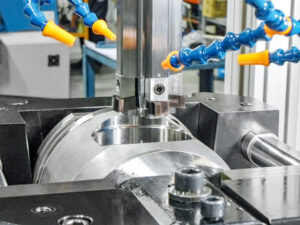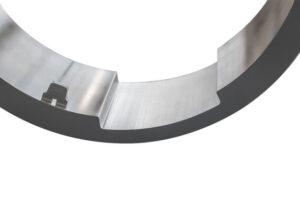

The design of broaching tools greatly impacts the efficiency of a machine to cut metal. Great designs make for efficient and accurate cuts that are clean as well. Parts will come with mistakes when it is wrong. In this guide, you will learn how the design of broaching tools impacts machining accuracy. Additionally, we shall see what makes a good design and how we can avoid errors often. Keyway Spline Broaching gets every detail right, from the first cut to the last.
What Is Broaching and Why Does Tool Design Matter?
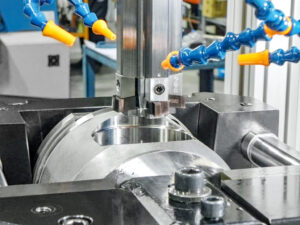
Broaching is a method that uses a toothed tool to remove material. The instrument can move in a straight line and cut. A limited amount of material is removed by each tooth. By the end of the operation, the component is fully formed.
The tool design determines the accuracy of the final part. A broach design that is thoughtful and of good quality.
- Smooth cuts
- Tight tolerances
- Long tool life
- Less waste
A poorly designed broach causes rough surfaces, broken teeth, and rejected parts. That is why broaching tool design is not something to guess at.
Key Elements of Broaching Tool Design
Good broaching tool design starts with understanding the basics. There are several key elements that every engineer must get right.
1. Tooth Geometry
A broach possesses a specific shape for each of its teeth. All three rake angle clearance angle, and tooth pitch matter. Chatter can be caused by a rake angle that is too steep; even just slightly too steep. Too low of a clearance angle causes rubbing. The pitch should be arranged so that the workpiece always engages at least two teeth.
2. Rise Per Tooth (RPT)
It refers to the amount of material being removed by each tooth of the cutter or tool. High RPT may lead to fracturing of the tooth. If the cutting speed gets too slow, the tool will wear out quickly and leave a rough cut. Determining the actual load getting required for a tool is vital for its design.
3. Tool Material
Most broaches are formed from high-speed steel (HSS) or Carbide. HSS is durable and responds well to shock. Carbide has superior hardness and edge retention. The choice relies on the nature of the material being cut and the required number of parts.
4. Flute Design
Flutes are the spaces between the teeth. They hold the chips as the tool cuts. If the flute is too small, chips will clog and damage the part. Flute design must match the type of material being cut.
How Broaching Tool Design Affects Machining Accuracy
This is the heart of the topic. Let us break it down clearly.
At Keyway Spline Broaching, our team has seen how small changes in tool design create big changes in part quality. Here is how design impacts accuracy:
Surface Finish
The rake angle and finish teeth decide how smooth the surface will be. More finish teeth mean a better surface. Poor design leads to a rough, uneven finish that may need extra work.
Dimensional Tolerance
Every part has a size it must meet. If the broach is designed correctly, the part will come out at the right size every time. If the design is off, the part may be too big or too small. This leads to high rejection rates.
Straightness and Roundness
In round broaching, the tool must be perfectly balanced. Any error in design will make the hole oval or off-center. In keyway broaching, the slot must be straight and deep enough. A bad design causes the slot to wander or be uneven.
Tool Life and Consistency
A broach that is well-designed will hold its shape longer. This means every part cut with that tool will be the same. A poorly designed tool wears fast, and as it wears, the parts start to vary in size and shape.
Comparison Table: Good vs. Poor Broaching Tool Design
| Feature | Good Design | Poor Design |
| Tooth Geometry | Correct rake and clearance angles | Wrong angles cause rubbing or chatter |
| Rise Per Tooth | Balanced for material | Too high breaks teeth; too low causes wear |
| Flute Size | Matches chip load | Too small; causes chip clogging |
| Tool Material | Right for the job | Wrong material; short tool life |
| Surface Finish | Smooth, consistent | Rough, requires rework |
| Dimensional Accuracy | Tight tolerance | Parts out of spec |
| Tool Life | Long and consistent | Short and unpredictable |
Common Mistakes in Broaching Tool Design
Even experienced engineers make mistakes. Here are the most common ones:
Wrong pitch for the workpiece length – If the pitch is too large, only one tooth contacts the part at a time. This causes vibration and a rough cut.
Ignoring chip load – Chip load must be planned for each job. Too much chip load breaks teeth. Too little causes a built-up edge on the tooth.
Skipping pilot and follower design – The pilot guides the broach into the part. The follower supports it at the end. Poor design of these parts leads to misalignment.
Using the wrong coating – Coatings like TiN or TiAlN can extend tool life. Using no coating on a hard material leads to fast wear.
Role of Maintenance and Surface Cleaning in Tool Accuracy
If the tool is not maintained, even the best broaching tool design will fail. Degraded performance may result from chips, coolant build-up, and surface rust. Make cleaning your habit.
Water blasting technique is used by many shops to clean broaches and fixtures. Water blast method employs high-pressure water to swiftly remove chips and residue without inflicting tool damage. One healthy practice can be one pull completing sharpen-up your essential tool kit. Proper cleaning helps maintain the accuracy that your broaching tool design was built to deliver.
How to Choose the Right Broaching Tool Design for Your Job
Every job is different. Here is a simple way to choose the right design:
Step 1 – Know your material. Hard materials need carbide or coated HSS. Soft materials can use standard HSS.
Step 2 – Know your tolerance. Tight tolerances need more finish teeth and a finer pitch.
Step 3 – Know your volume. High-volume jobs need a tool that lasts. Invest in better material and coatings.
Step 4 – Work with an expert. Do not guess at design details. A small error can cost a lot of money.
At Keyway Spline Broaching, we help clients choose the right broaching tool design for every application. Our team reviews your part drawing and recommends the best approach.
External Resource: Industry Standards for Tool Design
The American National Standards Institute (ANSI) and the Society of Manufacturing Engineers (SME) both publish guidelines for broaching tool design. Following these standards helps ensure your tool will perform as expected. You can find more detail on best practices through the SME Manufacturing Resource Center which covers tooling, materials, and process planning for machining operations.
FAQs About Broaching Tool Design
What is broaching tool design?
It is the process of planning the shape, size, material, and tooth layout of a broach so it cuts accurately and lasts long.
How does tooth pitch affect accuracy?
Wrong pitch means fewer teeth in contact. This causes vibration and rough cuts. Correct pitch keeps the cut smooth and even.
What is rise per tooth?
It is how much each tooth cuts. Too high breaks the tooth. Too low causes fast wear and poor finish.
What materials are broaches made from?
Mostly high-speed steel (HSS) or carbide. Coatings like TiN are often added to extend life.
Does tool design affect cycle time?
Yes. A well-designed broach cuts faster and needs fewer passes. This reduces cycle time and cost.
Conclusion
Broaching tool design is not just a technical detail, it is the foundation of accurate machining. Every angle, every tooth, and every flute shape has a purpose. When you get the design right, your parts come out perfect every time. When you get it wrong, you waste time, material, and money. From tooth geometry to tool material, every decision matters. Shops that invest in good broaching tool design see better results, longer tool life, and lower costs. Keeping tools clean; even using water blasting techniques when needed; also helps maintain that accuracy over time. If you want to improve your machining results, start with your tool design. That is where accuracy begins.