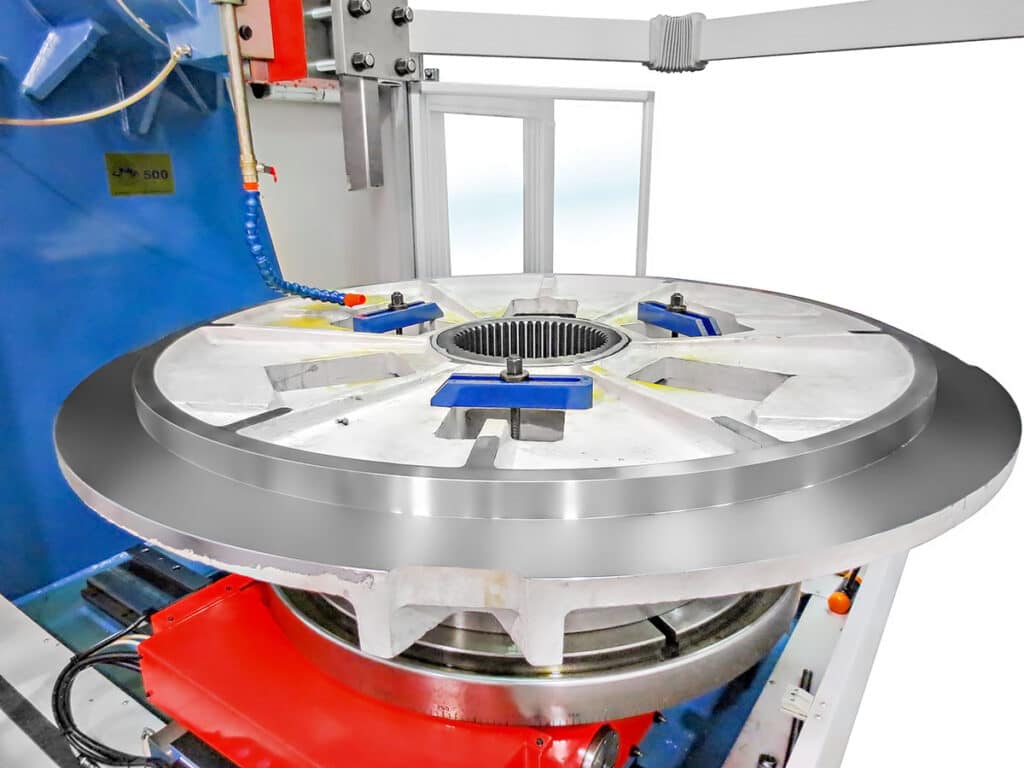
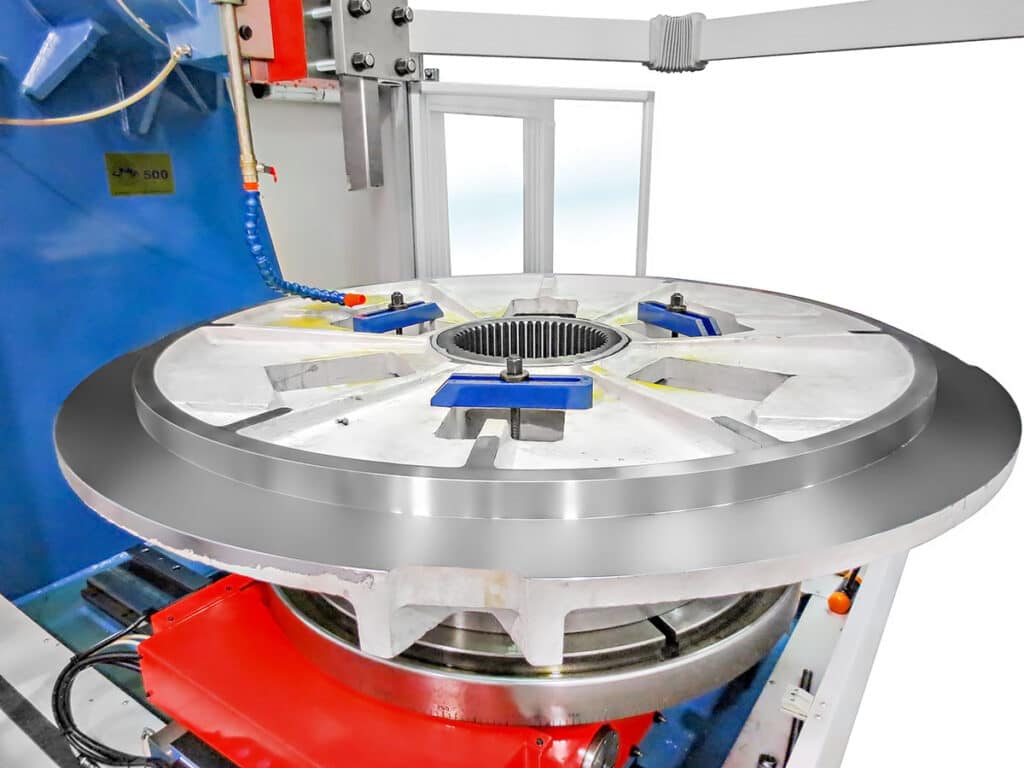
The field of broaching technology is rapidly evolving in 2026, transforming manufacturing processes across aerospace, automotive, and medical industries. With innovations in CNC lathe broach tools, hybrid slotting machines, and smart automation, manufacturers can now achieve unprecedented precision, efficiency, and flexibility. At our homepage, we explore how these advancements in broaching technology are reshaping the production of complex parts, improving workflow efficiency, and reducing operational costs.
Broaching Technology’s Role in Modern Manufacturing
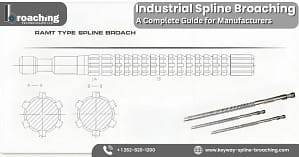
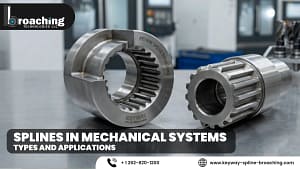
Broaching technology has long been a cornerstone of high-precision machining. It excels in producing keyways, splines, and intricate internal or external profiles in a single pass, offering repeatable accuracy that other machining methods struggle to match. Its applications span industries that demand tight tolerances, including aerospace components, automotive transmissions, and medical devices.
How IMTS 2024 Set the Stage for New Broaching Technology
The International Manufacturing Technology Show (IMTS) 2024 highlighted several innovations that are shaping broaching technology in 2025. From CNC-integrated broaching systems to hybrid slotting machines, the event emphasized automation, robotics, and Industry 4.0 integration as pivotal trends driving efficiency and precision in modern manufacturing.
CNC Lathe Broach Tools – Precision Meets Productivity
CNC integration is revolutionizing broaching technology by combining high-precision machining with automated control.
Benefits of CNC-Integrated Broaching Technology
- Reduced cycle times: Broaching is performed within CNC lathes, eliminating secondary setups.
- Cost efficiency: Minimizes tooling inventory and reduces floor space requirements.
- Consistent quality: Automated control ensures repeatable accuracy and tighter tolerances.
- Flexibility: Quickly adapts to various part geometries without extensive retooling.
Advances in Tool Design and Durability
Modern broach tools use advanced carbide tips, PVD coatings, and additive manufacturing techniques. These improvements increase tool life, reduce wear, and improve chip evacuation, ensuring consistent performance even in high-demand applications.
Applications in Aerospace, Automotive, and Medical
- Aerospace: Lightweight structural components and complex internal geometries.
- Automotive: Gears, keyways, and electric vehicle drivetrain components.
- Medical: Surgical instruments, implants, and other precision devices requiring strict tolerances.
Hybrid Slotting Machines – Bridging Flexibility and Speed
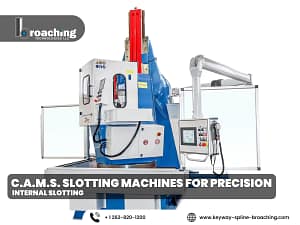
Hybrid slotting machines complement traditional broaching technology, offering enhanced flexibility for diverse production needs.
What Makes Hybrid Slotting Technology Unique
Hybrid slotting combines shaping flexibility with broaching-level precision. This enables manufacturers to handle complex part designs without extensive tooling, offering a middle ground between traditional broaching and shaping machines.
Comparing Hybrid Slotting with Traditional Broaching Technology
| Feature | Traditional Broaching | Hybrid Slotting Machines |
| Speed | High for repetitive runs | Moderate but adaptable |
| Flexibility | Limited to fixed geometries | High, supports varied designs |
| Setup Requirements | Tool-intensive | Simplified, fewer tools needed |
| Ideal Use Case | High-volume production | Low-to-mid volume, custom work |
Best-Fit Use Cases in High-Mix, Low-Volume Production
Hybrid slotting machines are ideal for industries requiring frequent design changes, prototypes, or low-volume production, such as aerospace R&D, custom automotive parts, and specialized medical devices.
Automation, Industry 4.0, and Smart Broaching Technology
The integration of digital technologies is transforming traditional broaching into a connected, intelligent process.
Tool Monitoring and Predictive Maintenance
Sensors embedded in broach tools monitor tool wear in real time. Predictive maintenance schedules help manufacturers replace tools before failure, reducing downtime and ensuring consistent part quality.
Data-Driven Process Optimization
Process data can be analyzed to optimize cutting speeds, feed rates, and coolant flow, improving efficiency while minimizing material waste.
Robotics and AI in Broaching Workflows
Robotic systems are increasingly used for part handling and automated tool changes, while AI algorithms dynamically adjust machining conditions for optimal results.
For detailed solutions, see our services page.
Key Takeaways from IMTS 2024 for Broaching Technology
IMTS 2024 demonstrated how broaching technology is evolving to meet modern manufacturing demands.
Notable Technology Launches
- CNC lathe broach tools with real-time sensor monitoring.
- Multi-material hybrid slotting machines.
- AI-driven predictive maintenance and process optimization platforms.
Trends Influencing 2026 Investments
- Sustainability: Reduced energy consumption and material waste.
- Customization: Flexible systems for high-mix production.
- Digitalization: Integration of smart monitoring and Industry 4.0 solutions.
Strategic Insights for Manufacturers
High-volume operations benefit from CNC-integrated broaching tools, while hybrid slotting machines offer flexibility for low-to-mid volume runs. Combined with predictive maintenance and AI, these approaches ensure cost-effective, high-quality production.
Conclusion – The Future of Broaching Technology in 2026
Broaching technology in 2026 is characterized by precision, adaptability, and connectivity. CNC lathe broach tools enhance productivity for large-scale production, while hybrid slotting machines offer versatility for specialized parts. Automation, robotics, and data-driven process optimization make modern broaching more efficient and reliable than ever.
For tailored broaching technology solutions, reach out via our contact page.